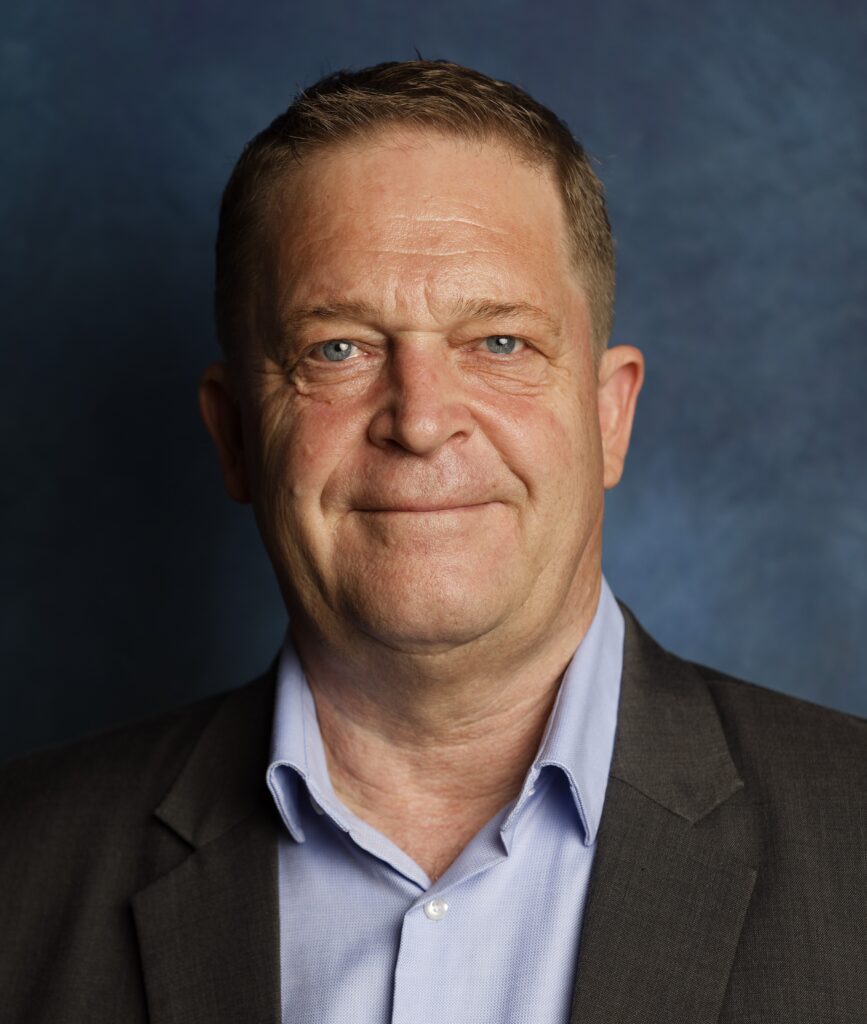
For more than three decades, I have worked at the intersection of water, livelihoods, and disaster risk. As Executive Director of the Asian Disaster Preparedness Center (ADPC) and CEO of the Mekong River Commission (MRC) Secretariat, I sat at the centre of two institutions with different mandates and a common challenge: turning regional cooperation, scientific knowledge, and public policy into practical action that protects people before disasters occur, and cooperating to help others.
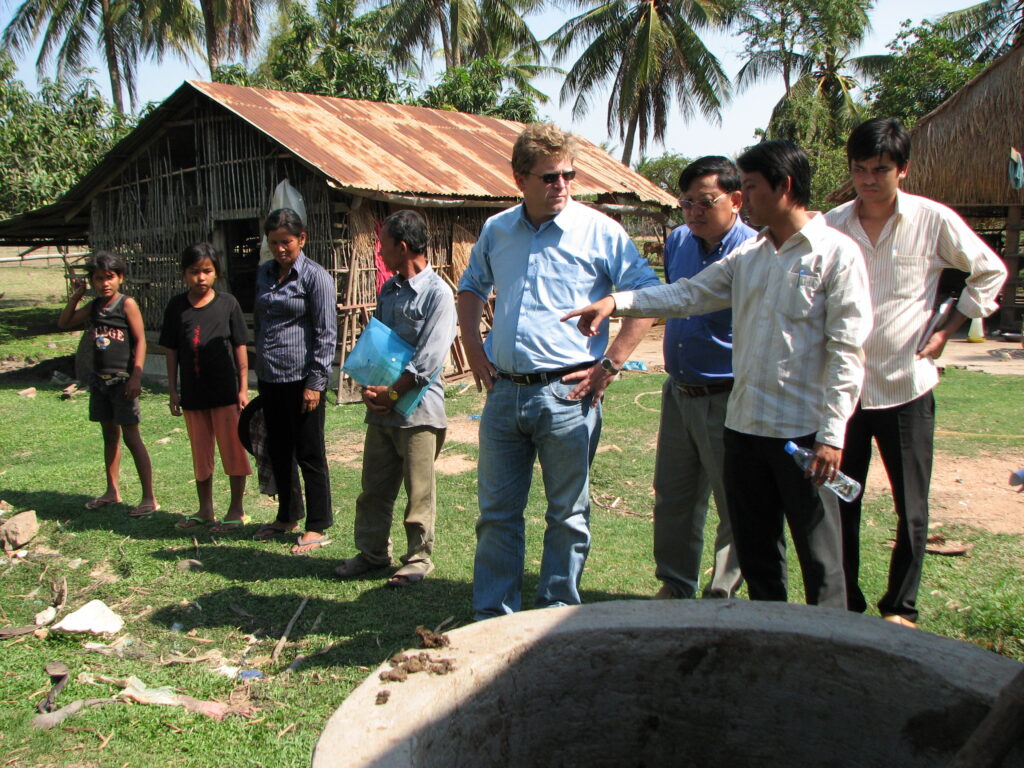
My perspective was shaped long before I reached those roles. I began as a researcher and field practitioner, working on water quality, fisheries, wetlands, and rural livelihoods across Southeast Asia — from fish ponds, floodplains, and villages to national ministries, international negotiations, and intergovernmental boardrooms. That trajectory built one conviction I have not abandoned: resilience cannot be built from the top down alone. Policies, frameworks, and financing matter, but they produce little unless they connect with the practitioners and communities expected to act on them.
The risk landscape we face today is not the one our institutions were designed for. Floods, droughts, storms, heatwaves, and environmental degradation interact across water, food, infrastructure, and health — and the burden falls unequally, with poor and vulnerable people carrying the greatest weight. Yet most professional disciplines still address these hazards in silos. Extreme heat is the clearest example: it is now the leading cause of weather-related mortality in several Asian countries, it is accelerating, and most governments still do not treat it as a disaster risk.
The Sendai Framework is explicit on paper — its scope covers sudden and slow-onset disasters, multi-hazard risks, and cross-sectoral coordination. But the monitoring systems, financing mechanisms, and national strategies that translate the framework into practice remain largely calibrated to sudden-onset events with established historical footprints. Anything that crosses sectoral mandates without a clear institutional owner receives only marginal attention, regardless of what the framework text says. Integrated water resources management in a transboundary river basin presents the same structural problem from a different angle: multiple sovereignties, competing development priorities, and a hydrological system is simultaneously reshaped by upstream infrastructure and changing precipitation. In both contexts, the same persistent gap appears — between what frameworks commit to on paper and the institutional systems expected to act on them.
The resilience field does not lack frameworks, pilot projects, or tools. Its deeper weakness is the gap between knowledge and sustained implementation. Many successful initiatives remain isolated, dependent on short-term funding, disconnected from the institutions that could take them to scale. Compounding this is a more fundamental problem: most of our approaches were built on the assumption that the past provides a reliable guide to the future. That assumption is becoming less secure, and the way we make decisions under uncertainty has to change with it.
HansOnResilience.com exists because some of the arguments that need to be made rarely fit institutional publications — which are consensus documents, useful for what they are, but not the place for direct assessments of what the sector is getting wrong. The articles and resources here reflect a practitioner’s perspective: specific, opinionated, grounded in field experience rather than modelled scenarios. The intended audience is DRR practitioners, heat risk planners, water and climate policy professionals, and researchers working at the applied end. Its central question is one I return to constantly: how do we move from knowing more about risk to making better, fairer, and more timely decisions before disasters occur?